Image of words - Insights and Inspiration
Black vertical line on the left side of a white background.

A Short History Of Queenslander Homes

You only need to drive down a street here in Toowoomba, and you will see a charming variety of Queenslander Homes, some beyond pristine, others well worn but still going strong raising generations of local families.

Queenslander homes are known for their vernacular architecture, a term coined by American architect Bernard Rudofsky in 1964. Vernacular architecture is an indigenous style of architecture that has naturally evolved to meet the local climate, available construction materials, trends and core human needs.


When you look past the beautiful Queenslander home aesthetics and features, you will find a home built for a comfort and purpose. In this article, we highlight the movements that brought the Queenslander home to life.

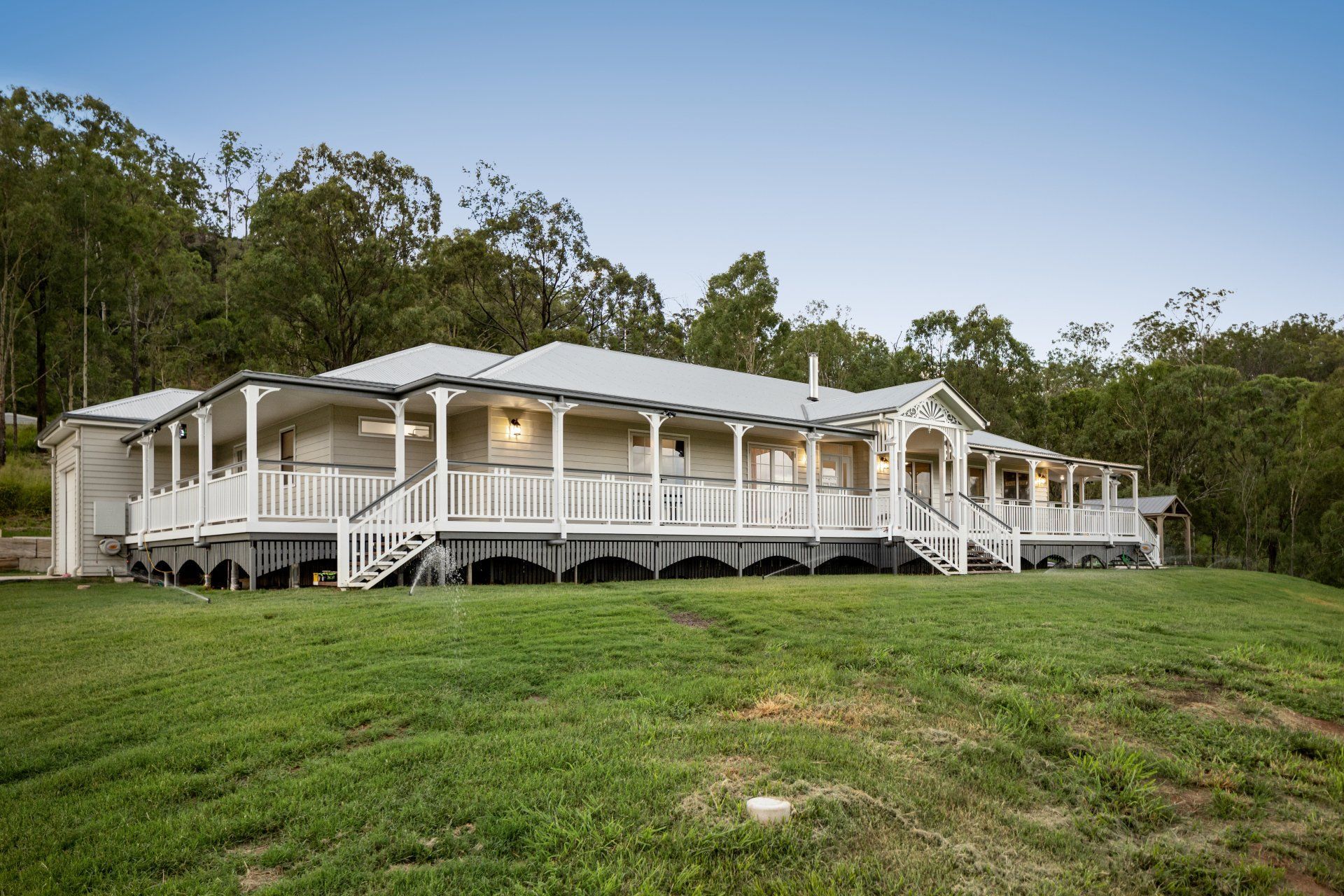
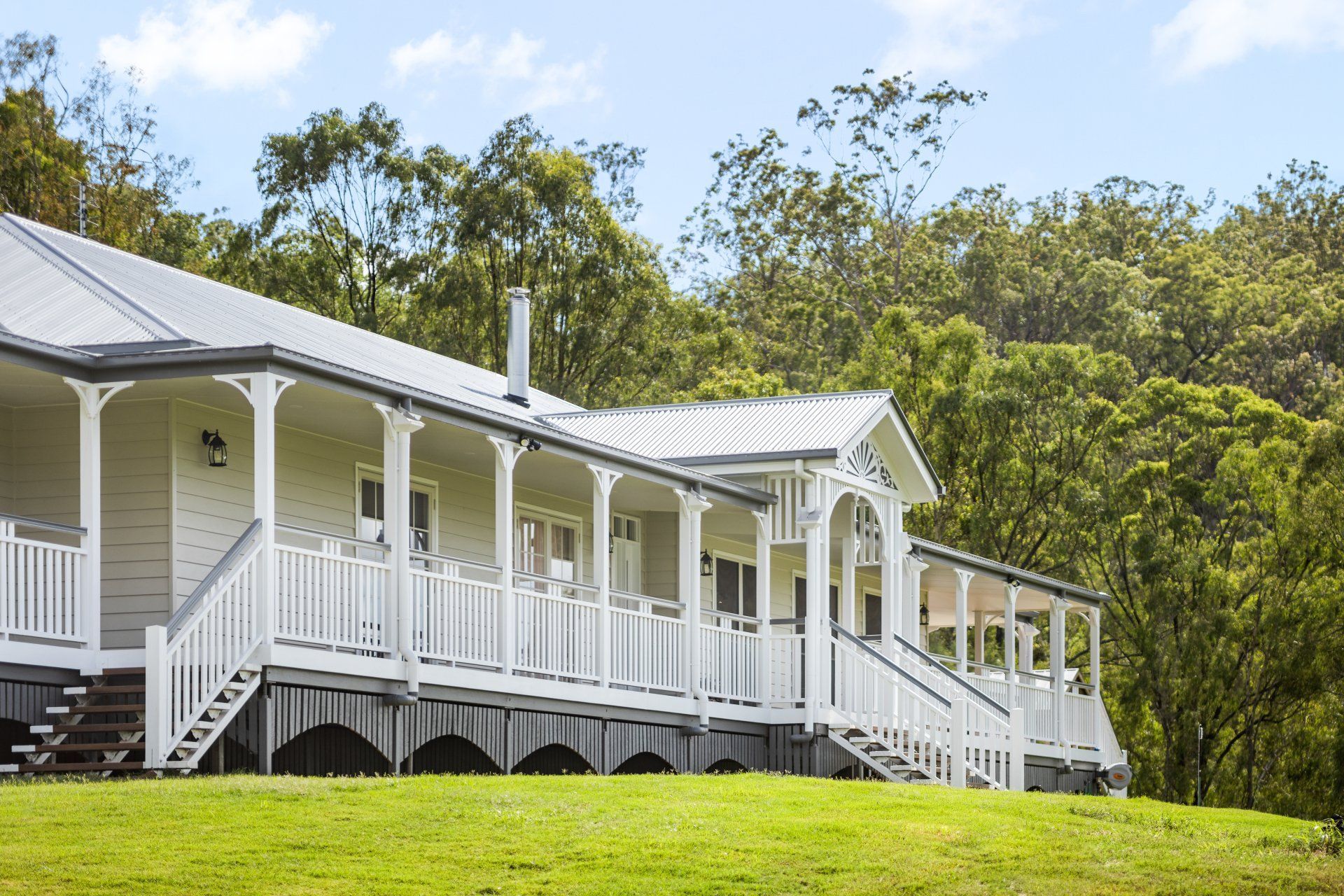
White house with wraparound porch on a grassy hill, surrounded by trees under a blue sky.

The Birth Of The Queenslander Home

Queenslander homes in Brisbane and the Darling Downs region can be traced back to around 1840, and are believed to have been designed for British and European migrants, from wealthy families to fruit pickers who were not used to Queensland's subtropical climate.


True to vernacular architecture, the warm climate directly laid the path using local materials, and with wide verandas that provided relief from the sun during the day, and shelter in the heavy afternoon downpours.


Commercial buildings quickly adopted the practical Queenslander design with many famous Queenslander Pubs like The Meringandan Hotel or The Farmers Arms Hotel still standing in the Darling Downs region. Amazingly The Farmers Arms Hotel holds the record for the longest continuous liquor licence in Queensland, held since 1863.

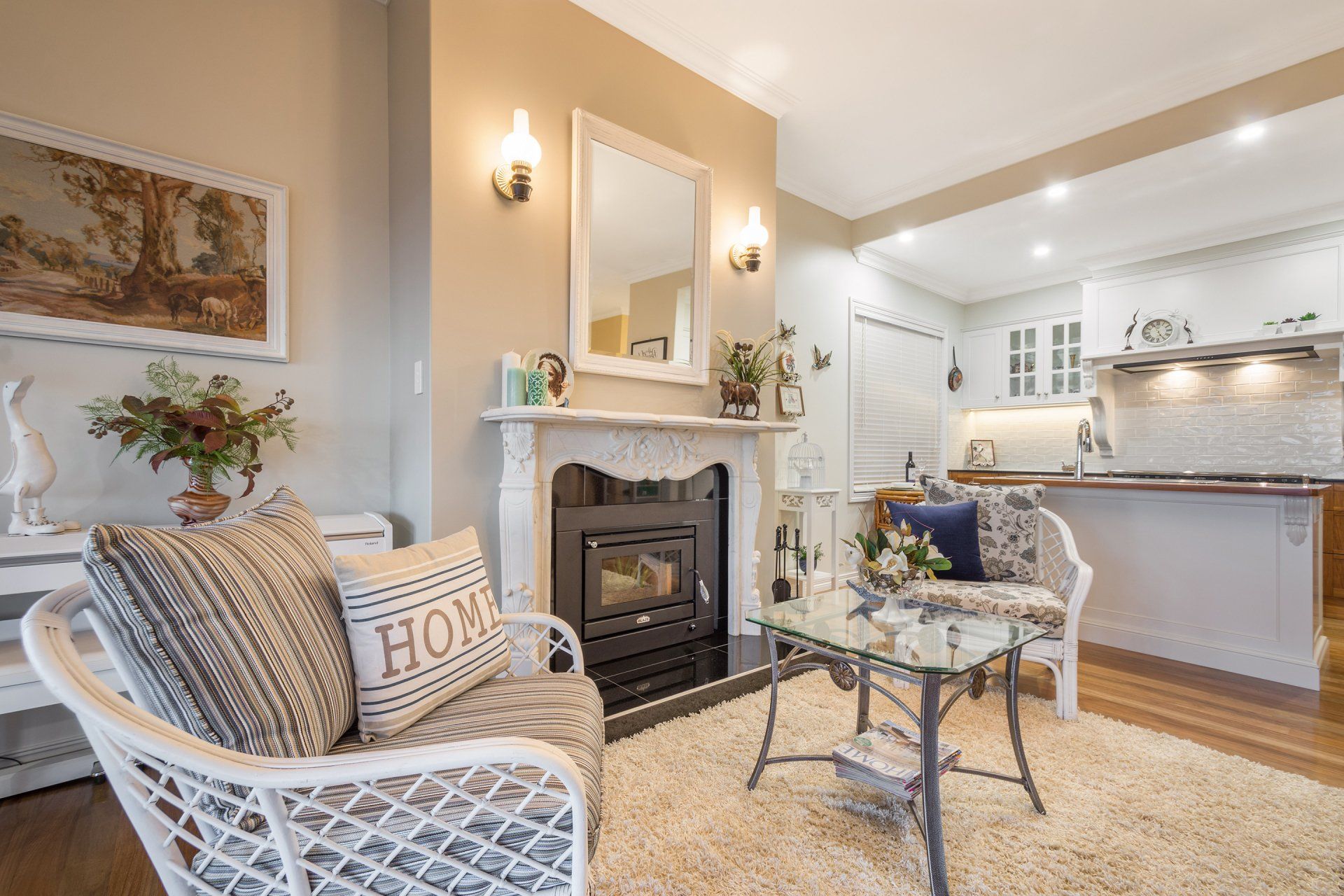
Cozy living room with fireplace, white wicker chairs, and open view to the kitchen.

A New, Beautiful Post War Home

While you may have seen Queenslander style homes all around Australia, including Tasmania, our Queenslanders were a little different. Ours had wider, longer verandas with distinct large double doors to the veranda, and they were uniquely raised on vertical timber stumps for additional cooling and flood protection. Since WW2 however, traditional wooden stumps were replaced with steel or concrete, and many design elements have continued to evolve. You can see a few classic and modern Queenslander home designs in our folio here.

Elegant Doorways And Proud Roofs

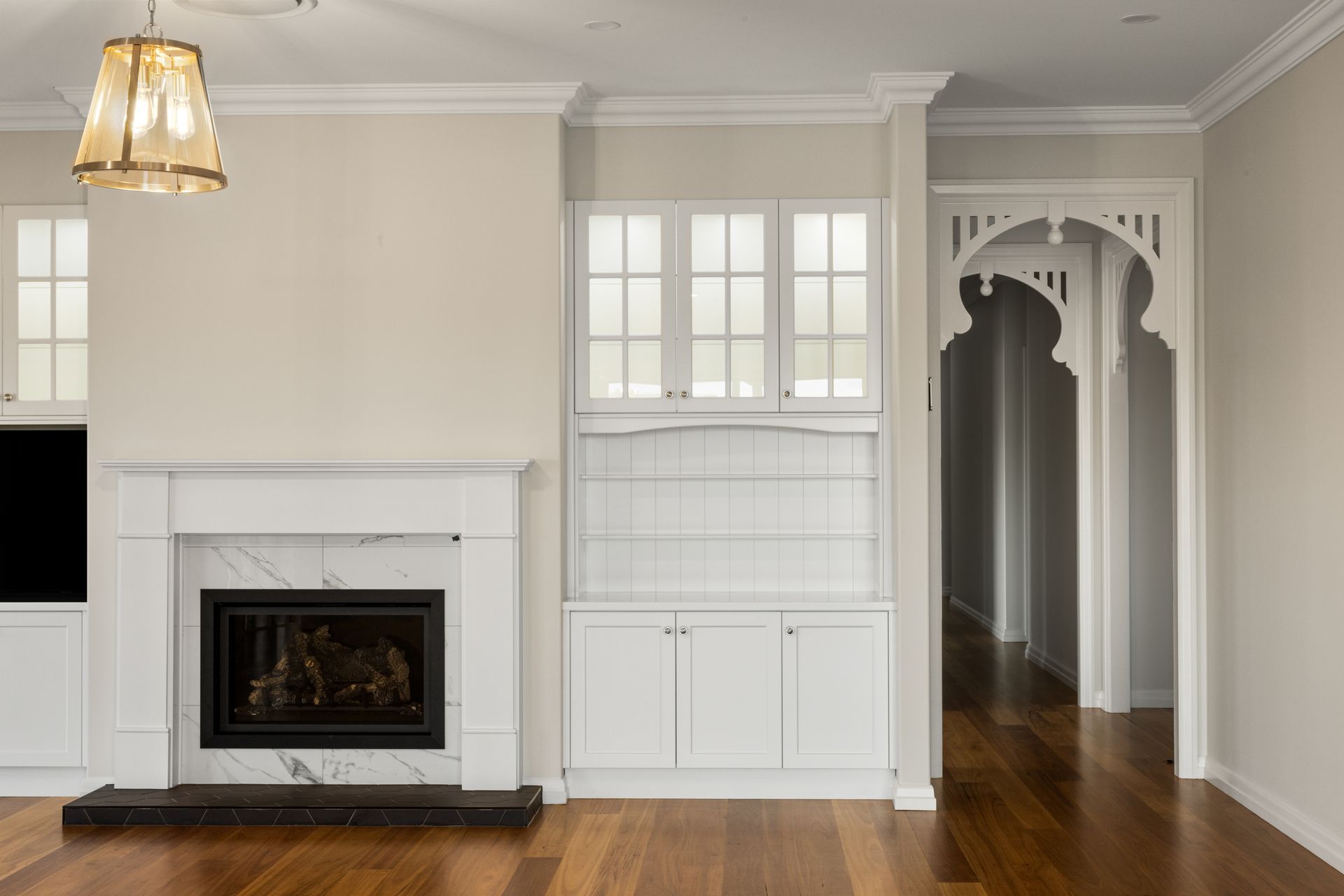
While some features look decorative, such as the breezeway woodwork above the internal doorways on traditional Queenslanders, these were again part of the vernacular architecture, functionality that allowed for moving breezes while separating private and common spaces in the home. The bedroom and living areas often separated by a hallway to further increase privacy.


Roofs, in general, were made of corrugated iron or tin and raised in the centre to protect and release heat from the centre of the house, with trees planted near the outer walls for additional shade.


Around the rest of the property you could often find mango, citrus, passionfruit, frangipani and hibiscus trees, all trees that created the traditional Queenslander home the charm we adore.

Living room with fireplace, built-in cabinets, and arched doorway, all painted white with wood floors.

A Timeless Family Retreat

Part of what made a Queenslander a true family home in the 1800's before TV and Play Station's, was the space under the house that created an enchanting area for children who could escape the heat and afternoon storms to play.


In the Darling Downs regions, you can still many of these raised Queenslanders with garages, training areas, laundries and entertainment areas underneath. The choice truly is yours nowadays though.

The Queenslander Home Building Boom

Interestingly but perhaps not surprisingly, the biggest Queenslander home building boom was when soldiers returned from WW1 in 1919 to study or start new families. Thousands of new Queenslander homes were built in the 1920s and early 1930s, with many of the more extravagant Queenslanders still standing around Toowoomba and the Darling Downs regions, easily identified by their size and exotic roof lines.

Queenslander Homes Today

Jump forward 180 years and Queenslander Homes are now as popular as ever, because while technology like air-conditioning is standard in almost all new homes, energy consumption and costs are now at their peak.


Energy-efficient, highly sustainable Queenslander homes are at the forefront again and if you would like to chat about your ideas for your next Queenslander home, please feel free to get in touch with the team at Shelton Homes on 0417 961 667.

THINKING OF BUILDING?

We've created a simple & easy Pre-Start Checklist for you! It'll help you understand everything you need to know about building. Simply download to take the stress out of how to started.

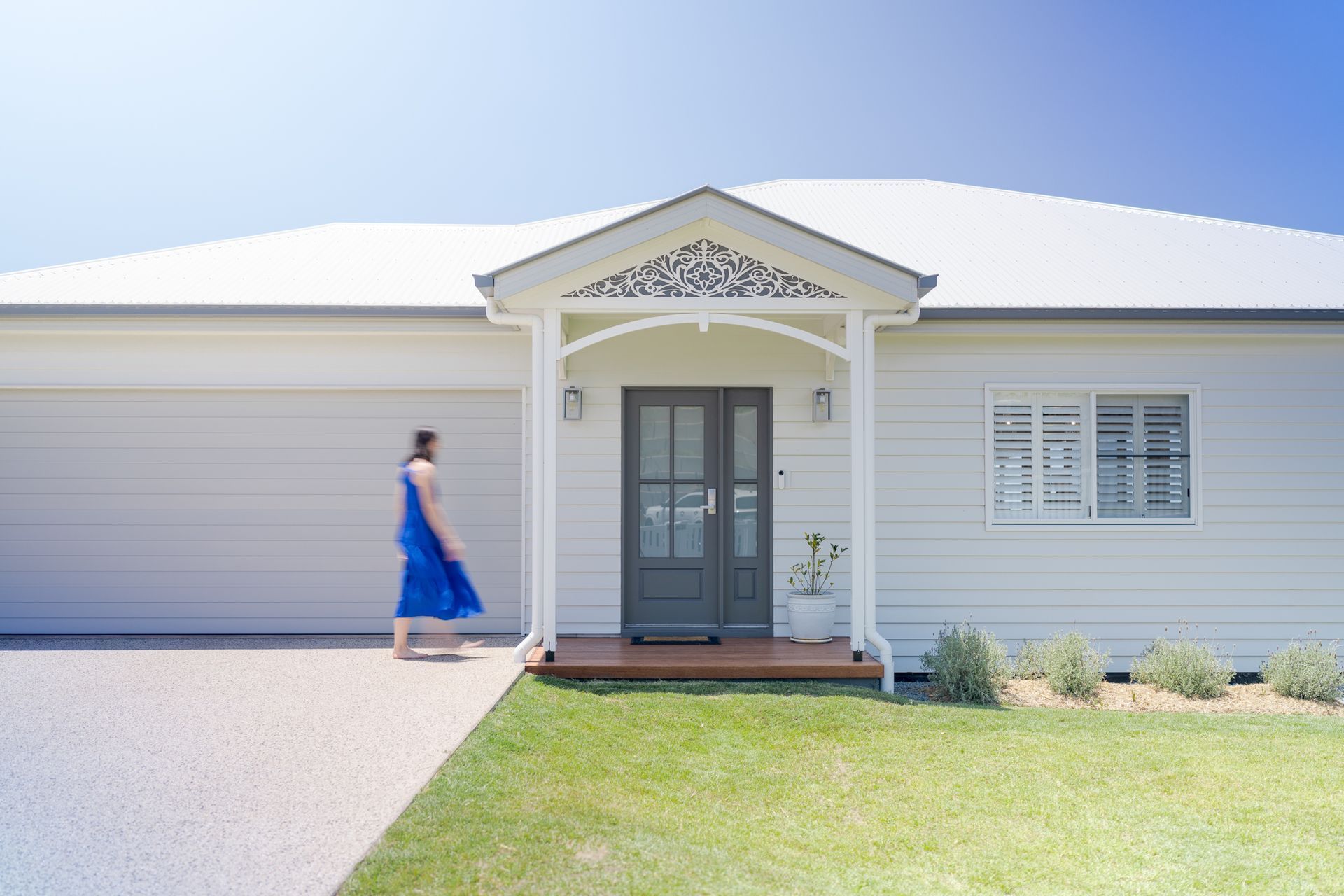
Woman in blue dress walks toward a white house with dark gray front doors.
September 5, 2025
A bit of background around the 7 Stars.
White house with wrap-around porch, on a grassy hill, backed by trees, under a blue sky.
September 4, 2025
You may have heard us mention that we are custom home builders…but what does that mean exactly? At Shelton Homes, we take our job very seriously, and our job is to help make your dream home a reality. Custom home builders take the time to discuss and figure out what it is you may need and want to create. We don’t pump out cookie cutter home designs that look identical, we prefer to work closely with you during the design process and give you the freedom to add and change design aspects to suit your own aesthetic and lifestyle…butlers pantry anyone?
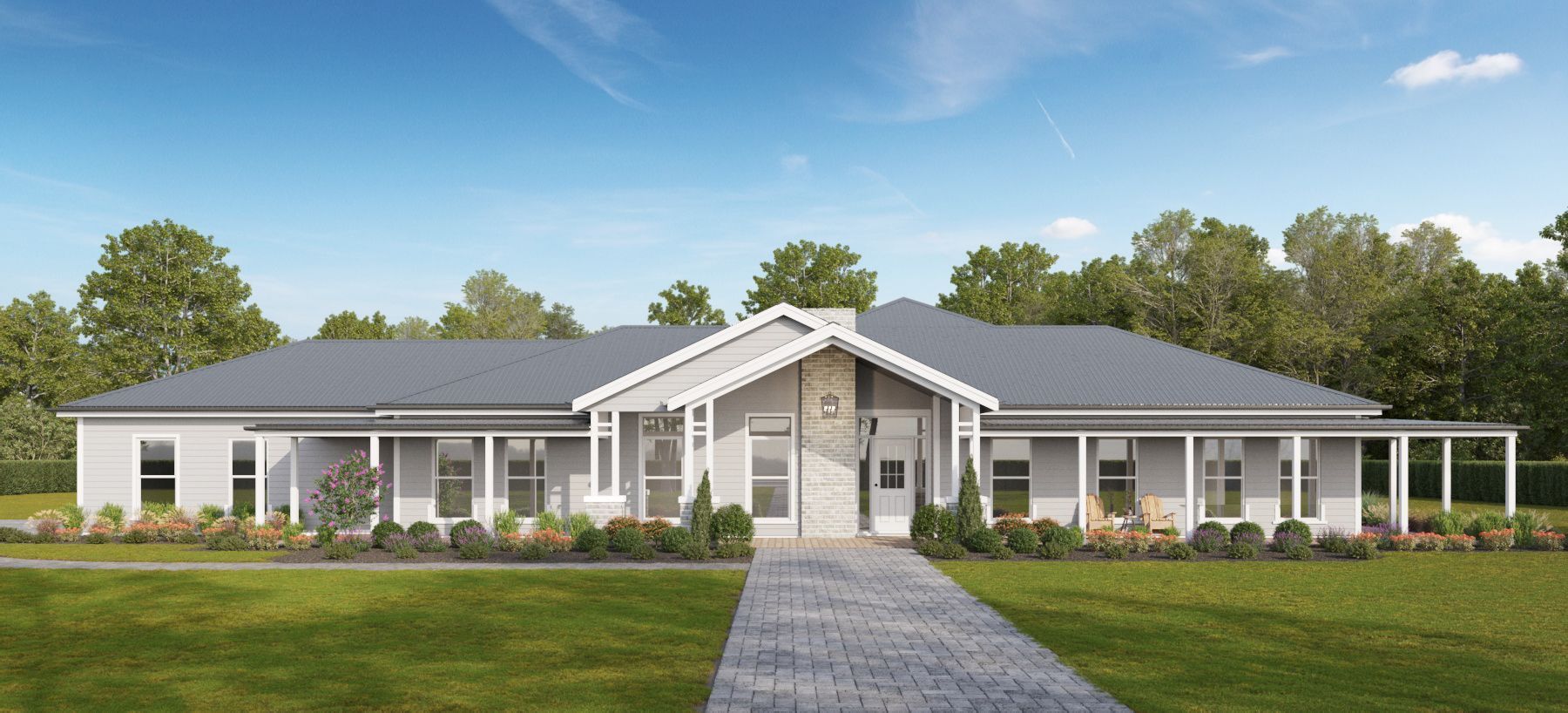
White farmhouse with a porch and metal roof in a grassy field.
September 3, 2025
Let’s just kick things off by saying that with all the curveballs thrown into the building industry over the last couple of years, we have kept our programs in place to maintain a 26-week build time. Everyone has heard horror stories about building new homes in the current climate, so we wanted to take the time and explain exactly what has been happening, and how we are responding to it.